

Advancing Cybersecurity and Risk Management for the Department of the Army
As a subcontractor, InterSec Inc supported the Department of the Army’s CIO/G6 office in hardening software security, mitigating ERP system risks, and ensuring alignment with strategic objectives.
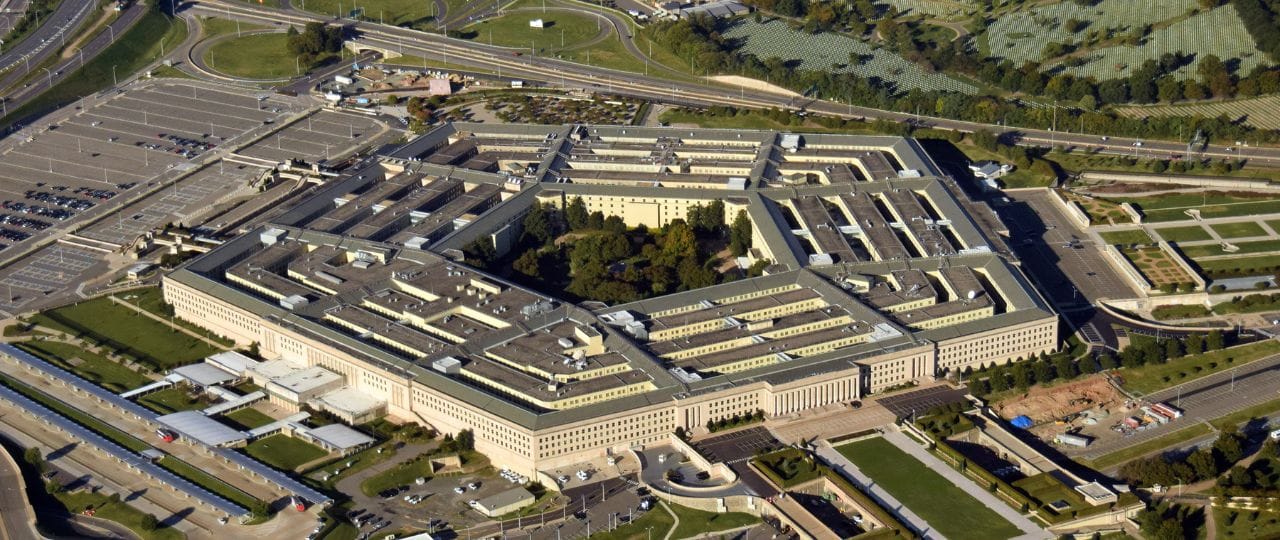
Background
The U.S. Department of the Army organizes, trains, and equips the nation’s land forces for missions spanning combat operations to humanitarian aid. Through service, integrity, and innovation, it safeguards U.S. interests, upholds national security, and protects the foundations of freedom.
Overview
The Department of the Army required a strong security strategy to protect its global ERP systems while adhering to stringent DoD guidelines. Managing multiple, large‐scale systems introduced complexities in patch management, software updates, and disaster recovery.
At the Army’s CIO/G6 office, InterSec embeds secure DevOps practices and cloud-optimized disaster recovery approaches. This collaboration balanced the Army’s cost constraints with the high‐stakes need for mission readiness and unwavering data integrity.
- Large, globally distributed ERP platforms
- Must comply with DoD mandates for software development
- Required a cost‐conscious, yet complete security solution
The Challenge
The Army struggled to keep pace with fast-changing threat environments, needing to address software vulnerabilities at their source while managing tight budgets for infrastructure and disaster recovery. Failing to resolve these issues threatened core mission readiness.
- Software Security Gaps: Needed do-it-right-the-first-time coding practices
- Vulnerable ERP Systems: Frequent patches and identity management complexities
- Budget Constraints: Sought advanced DR without excessive expenditure
Our Approach
InterSec employed a risk-based methodology, enhancing secure coding standards and introducing FinOps for DR, enabling the Army to integrate high-level security without overextending resources.
- Risk-Based Prioritization: Focused on high-impact ERP modules for immediate hardening
- Secure DevOps Integration: Emphasized code reviews, automated scanning, and continuous feedback
- FinOps Principles: Balanced cloud resources to minimize costs while maintaining uptime
Solution & Implementation
We coordinated development best practices, hardened ERP configurations, and established cloud-based DR strategies that swiftly scaled to the Army’s needs, ensuring uninterrupted operational capabilities.
- DoD-Compliant Secure Coding: Aligned coding practices with defense directives
- ERP Hardening: Strengthened identity/access controls, configurations, and patch cycles
- Cloud Resource Management: Enabled scalable, secure deployments adaptable to mission changes
Results & Outcomes
The combined approach produced measurable gains in efficiency and resilience, allowing the Army to maintain strong security across wide-ranging global deployments.
- Secured ERP layers through DevSecOps best practices
- Used cloud-based DR solutions for improved ROI
- Minimized downtime, directly supporting critical Army operations
Capabilities Demonstrated
Secure DevOps Integration (Code Reviews, Automated Scanning), ERP Hardening & Configuration Management, Cloud-Optimized Disaster Recovery (FinOps), Risk-Based Prioritization of Vulnerabilities, Alignment with DoD Security & Budget Constraints